Apply to Join Us
What work does this Lab do?
The Liu Research Lab is a collaborative research group in the Department of Political Science at the University of South Carolina, directed by Prof. Howard Liu and driven by the curiosity of the students involved. We study the causes and consequences of state violence and human rights abuses: why governments repress, how repression travels across borders to target diasporas and dissidents abroad, how ordinary people respond to it through protest and resistance, and what happens in the aftermath.
Our research is empirical and computational. Depending on the project, lab members help build original datasets from news reports, archives, and government documents; code and map political events; run surveys and survey experiments; and analyze the results using spatial and network analysis, causal inference, and text-as-data methods in R. Students contribute to ongoing, grant-funded projects while at times developing their own research questions that connect to the lab’s agenda.
Why join the Lab?
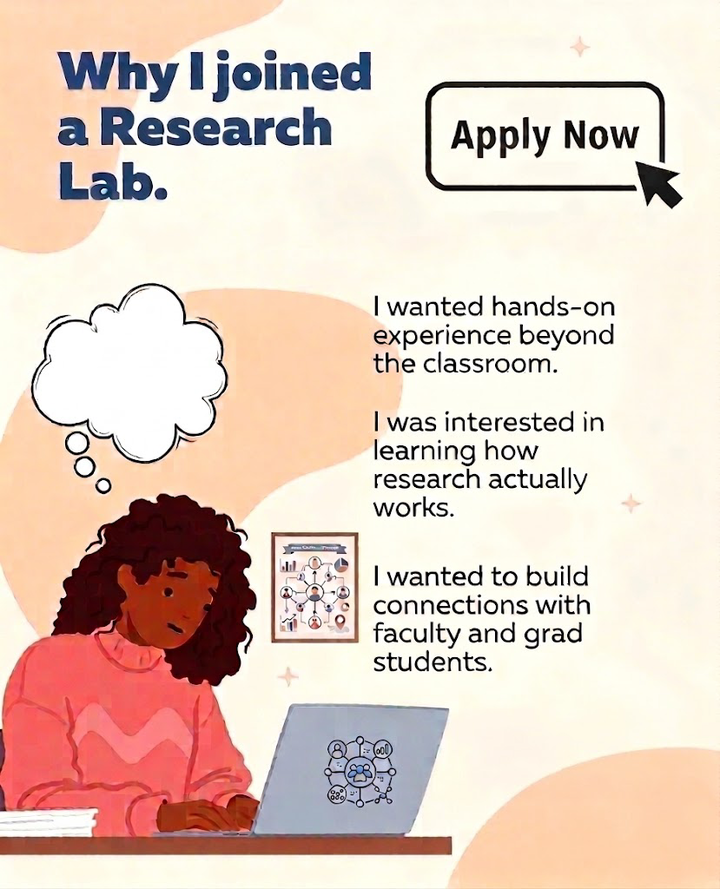
The goal of this Lab experience is to enable students to develop the analytical, methodological and writing skills necessary to 1) successfully execute a high-quality independent research project before they graduate and 2) plan for and attain post-graduation opportunities (job, graduate school, fellowship, etc.) that utilize those skills. Equally important are the opportunities to 1) work closely with a faculty member outside of the classroom environment and 2) interact with other students interested in data analysis and research.
What is the time commitment?
New lab members can sign up for two credits of POLI 498 (Research Experience) and have a high likelihood of receiving Undergraduate Research Funds if they apply in time. Members will meet every Tuesday from 12:00–1:00 p.m. for the weekly lab meeting.
In addition to lab meetings, joining the lab is a 5–10 hour/week commitment working on collaborative or independent research projects. At the end of each semester, lab members put together a presentation highlighting what they have accomplished individually and with their teams.
What makes for a successful applicant?
We welcome applicants from any major and any year. No prior research or coding experience is required; what matters most is curiosity about the questions we study, reliability, and a willingness to learn. That said, the students who thrive in the lab tend to share a few traits:
-
Genuine interest in state repression, human rights, protest, or authoritarian politics, ideally with some idea of the questions you would like to pursue.
-
Attention to detail and follow-through. Much of our work involves carefully reading research articles, programming, and designing experiments, where small mistakes matter.
-
Comfort with (or eagerness to learn) data analytics in R. Coursework in statistics, research methods, or data science is a plus, but we will train members from the ground up.
-
Commitment to the team. Show up to Tuesday meetings, do the work, meet deadlines, and communicate early when something is getting in the way.
Before applying, please read the Applicant Manual, which describes the application process, what to include in your materials, and what to expect in your first semester. Questions can be sent to howard.liu@sc.edu.
Application
The Spring 2027 application to the lab will be posted here during the Fall 2026 semester. The application, interview, and decisionmaking timeline will be posted here when it is available.
Ready to apply?
Applications are submitted through our online portal. Have a PDF of your résumé/CV ready; an unofficial transcript and a writing sample are optional. The form takes about 30 minutes, and your answers are saved in your browser as you type.
Deadline for Spring 2027: November 15, 2026.

Howard Liu
Assistant Professor
Department of Political Science
University of South Carolina
Personal website
My research interests include state repression, protest, dictatorship, armed conflict, and networks.